


Campaign for accessible travel for people seeking asylum
Through listening to our community, we heard that access to travel was a key pressure for people seeking asylum. Many people seeking asylum receive less than £9 per week for everything, from phone credit, to clothing, to travel.
As the Helen Bamber Foundation found, people seeking asylum cannot access essential services, from doing the school run to getting to English classes to attending legal and health appointments.
In consequence, many asylum seekers become isolated and cut off from their communities. As the Mental Health Foundation has found, this has significant mental health impacts.
Through the support of Citizens UK, we came together with 45 partner organisations and hundreds of campaign leaders to drive this campaign forward.
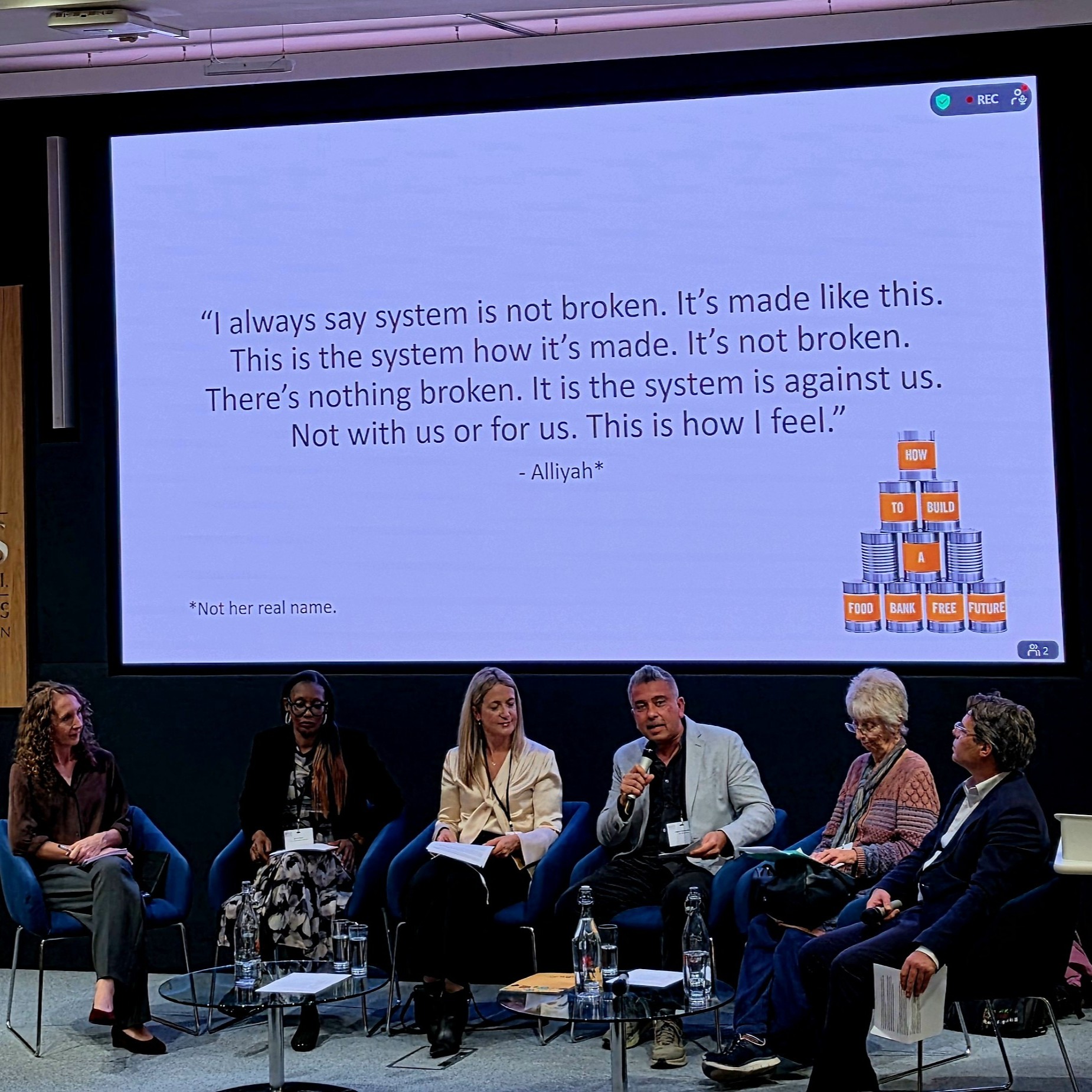
We have organised rallies outside City Hall, engaging GLA members, Deputy Mayor Seb Dance, and hundreds of community members. This got us a seat at the table, and we directly negotiated with Seb Dance, using lived experience directly from our community leaders.
We then approached GLA members with face-to-face meetings with our community leaders which led to a GLA motion win in support of our campaign. Deputy Mayor Seb Dance has now enabled ARC cards to be used as a valid form of ID. This means that people seeking asylum who are older, younger, or with a disability can now apply for free bus travel. And the Mayor’s team are considering our budgeted proposal for the next business cycle.
Our guests have spoken in front of hundreds of people at rallies and assemblies, spoken at a City University event, shared stories with decision makers and directly negotiated, helped build our campaign strategy, and formed our campaign video.
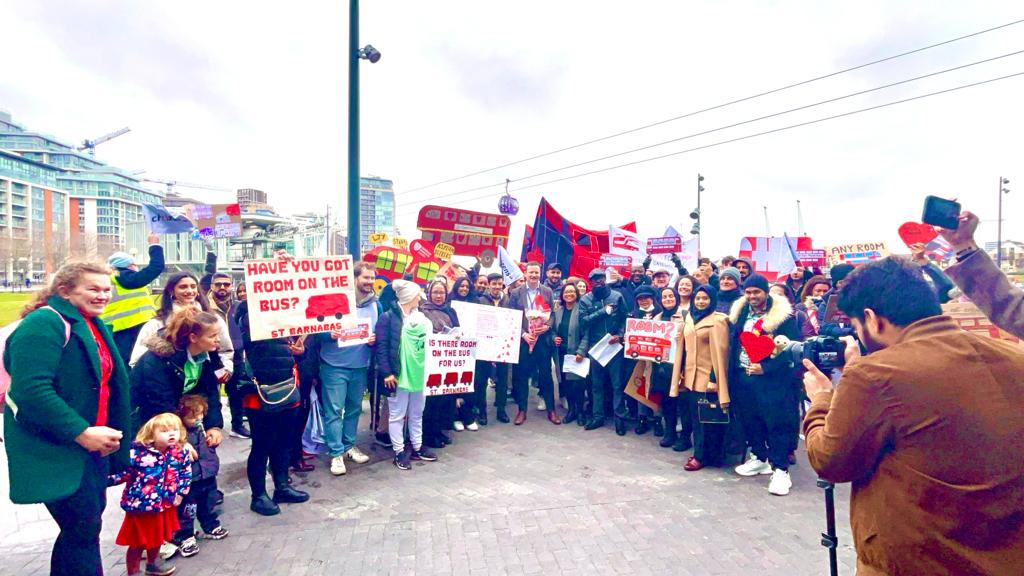
Listening to communities across London
We built a broad-based coalition of Citizens UK members across North London, listening to 500 stories from our local community members. Sufra co-lead listening workshops and assemblies, inspiring, educating, and ensuring commitment from organisations across London to listen to their members. We directly listened to 50 people across our services, to build leaders and understand the key issues putting pressure on the lives of people and their families.
From this we brought organisations together to plan and deliver 5 campaigns on the key themes from the listening sessions: Quality of Our Streets, Housing and Homelessness, Migrants and Refugees, Youth Opportunities and Economic Justice. These campaigns were planned and run by the leaders found and developed in our initial listening sessions and ratified by our alliance of North London partners.
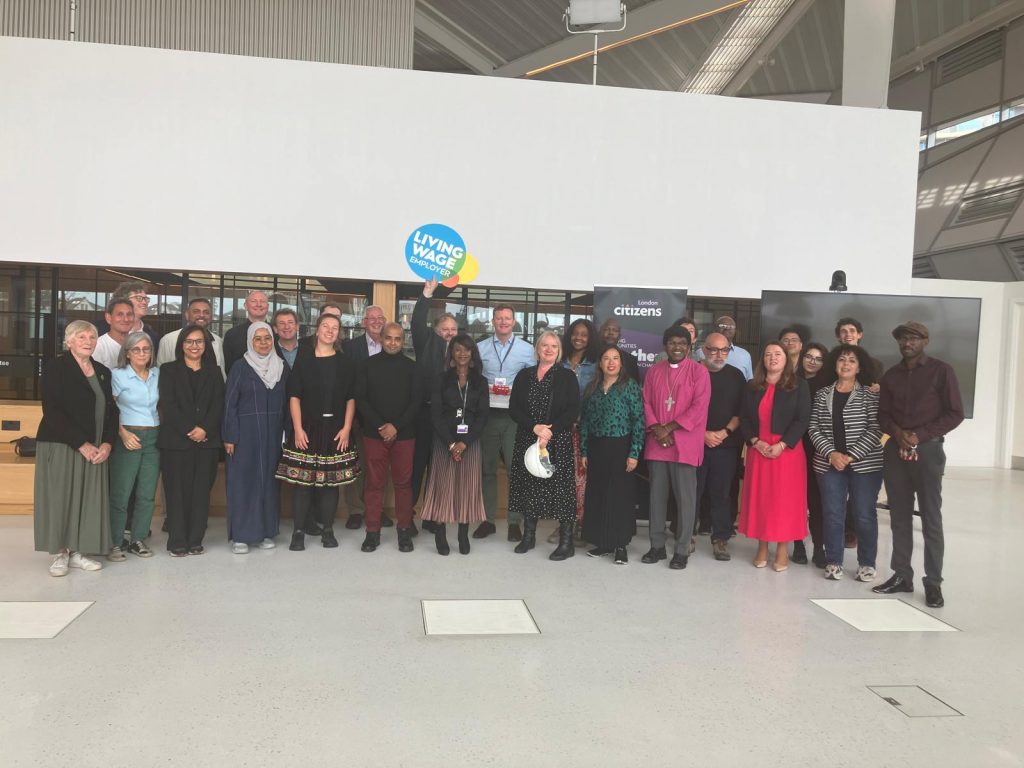
Developing our Brent Food Strategy
Sufra chaired the development of a Brent Food Strategy, with partners from Brent Council, VCS organisations, businesses, and public bodies. Brent’s Food Strategy sets out a shared vision for creating a fair, sustainable, and healthy food system that benefits everyone in our borough.
Currently Brent faces significant challenges: rising food insecurity, diet-related ill health, and environmental pressures. Poor diets contribute to obesity, diabetes, and cardiovascular disease, placing strain on health services and reducing quality of life. At the same time, the cost-of-living crisis and unequal access to healthy food deepen health inequalities.
By developing partnerships in the borough, understanding different needs of our communities and institution, and capitalising on the knowledge, skills, and experience we have throughout the borough, we’ve developed a comprehensive strategy paper. The strategy aims to tackle health inequalities, improve wellbeing, and strengthen resilience by ensuring that good food is available, affordable, and culturally appropriate for all.
Supporting Individuals to Vote
During the General Election in 2025 and the Local Elections in 2026, we created promotional materials encouraging our guests to vote, providing instructions on how to register and what to consider on the day. We also ran Advice workshops to support guests in gaining correct forms of ID for the voting day, and a volunteer-led stall on election day to ensure guests knew where their polling station was.